

You've got the birthday card, the wrapping paper and one obvious problem: the child already owns three footballs, none of which is the right size. The replica shirt you're considering looks brilliant online, but it may be too large, too delicate for weekly training or tied to a player they've stopped caring about. A flashy kids football gift can still become clutter by the following weekend.
The useful present is the one that fits the child, suits the surface they play on and survives real use. Football is already central to children's lives in England, with over 40% of children aged 5 to 16 playing football in the 2022/23 academic year, compared with 38.5% the previous year, according to Statista's summary of football participation among children in England. That makes football gear a sensible gift category, but only if you buy for the player rather than the photograph.
Why Most Kids Football Gifts Miss the Mark
The wrapping paper is still on the floor when the problems start. The replica shirt is three sizes too big, the ball is hard enough to bounce off the patio and the shin pads slide down before the child has finished warming up. Everyone smiles for the photograph. By Saturday morning, only one item gets used, and it's usually the least exciting one.
I've made most of these mistakes myself. A football bought by colour rather than size feels heavy and awkward for a younger player. Boots bought for grass are useless on a hard school playground, while a pair designed for artificial turf can feel wrong on natural ground. A shirt bought with growing room can turn into a loose nightdress, not something a child wants to wear at training.
The worst gifts aren't always cheap. They're often technically unsuitable.
- The wrong ball size: A young player has to work harder to control a ball that's too large or heavy.
- The wrong soleplate: Moulded grass studs aren't a sensible choice for every artificial or indoor surface.
- The oversized kit: Growing room is useful, but a shirt that constantly catches on the child's arms won't become a favourite.
- Novelty without purpose: A football-shaped alarm clock or desk ornament may show team allegiance, but it won't help at home, school or training.
- Parent-led nostalgia: Your favourite club, player or era may mean nothing to the child opening the box.
The practical test is simple: will this gift be used during an ordinary week? If the answer depends entirely on a special occasion, it belongs in the fan-gear category, not the training category.
For a clearer way to judge whether a football present offers lasting use rather than a quick unboxing reaction, use this value-for-money guide. It's a useful filter before you spend more on branding than on fit, function or durability.
Football has a broad audience among children. The FA's grassroots analysis estimated that 4.49 million children aged 5 to 18 played football each week on average, including 67% of boys and 29% of girls, as reported in the FA's social and economic value analysis. That reach gives relatives plenty of good options, but it also means a generic gift list won't be enough. You need to know whether the child is a supporter, a regular player or both.
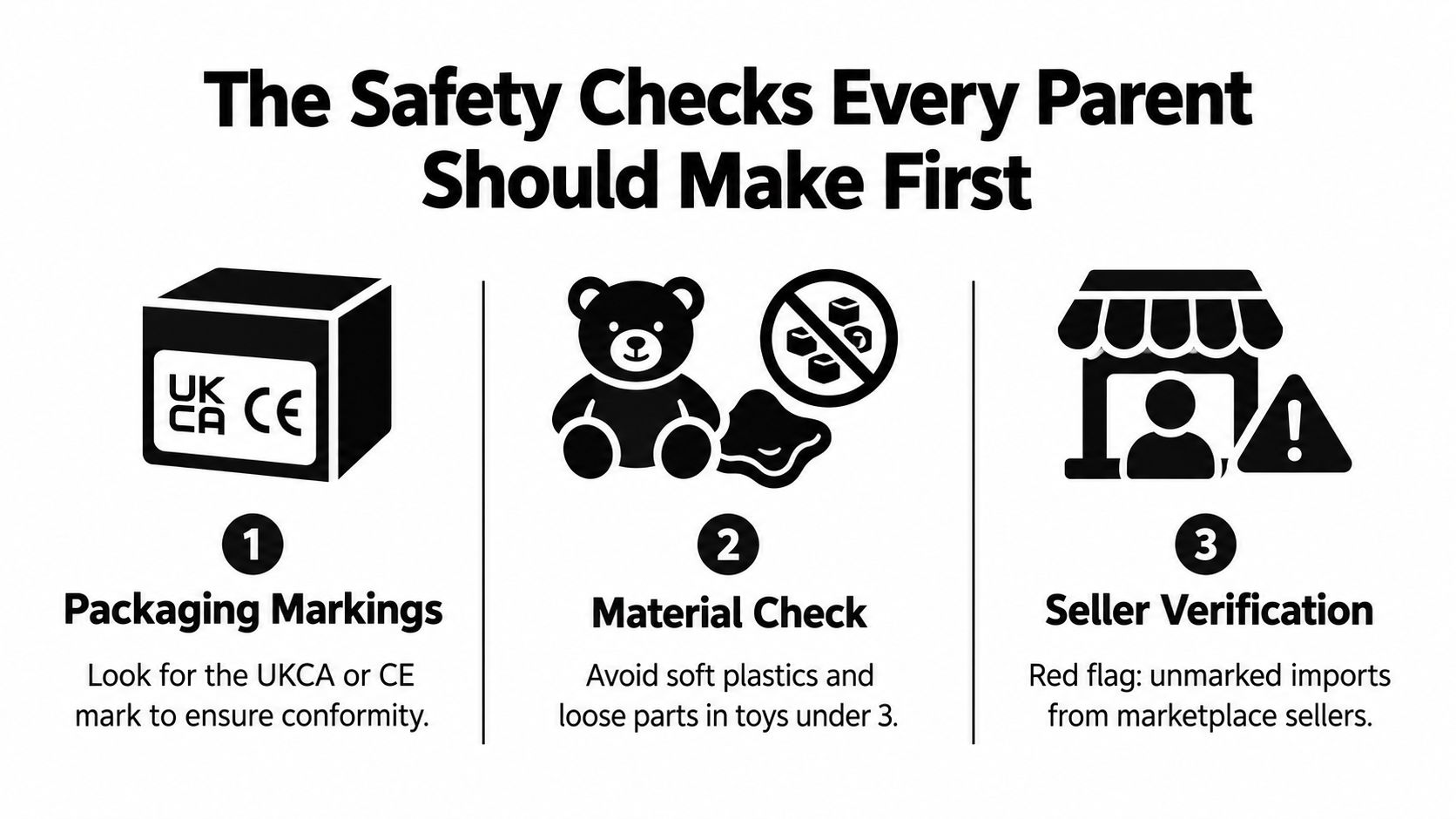
The Safety Checks Every Parent Should Make First
Safety comes before club colours, personalisation and presentation. In Great Britain, a toy should have a documented safety assessment, appropriate English warnings and visible conformity marking on the toy, label or packaging before sale. Look for a UKCA or CE mark, depending on the product and market route, and treat an unmarked import from an unknown marketplace seller as a reason to stop and investigate.
Goals need more than a fun colour
A portable goal can tip when a child pulls on the frame, shoots hard or climbs where they shouldn't. BS EN 748 covers football goals, while BS EN 16579 addresses portable goals, with both standards focusing on structural stability. Check whether the product states compliance, whether the frame feels rigid and whether the package includes reliable anchoring equipment.
Don't assume a locking mechanism makes a goal safe by itself. Retail safety guidance notes that additional sandbags or weights may still be needed, particularly when adults or higher-force shots are involved. A goal taller than the child deserves extra caution, and any goal used outdoors should be secured with ground stakes or suitable counterweights according to the manufacturer's instructions.
Protective gear must fit the child
Shin pads are not decorative extras. Grassroots football safety policies require players to wear shin protection, and socks should fully cover the pads. Check the club's own rules before buying, because some junior clubs reject very small shin pads even when they look like miniature versions of professional equipment.
The shin guard fitting guide is more useful than choosing by colour or a vague age label. Measure the child's shin, check the manufacturer's sizing information and confirm that the pad stays in place during movement. Boots also need a proper fit, with no painful pressure points, loose heel or excess movement that could cause blisters.
Run this check before paying
- Markings: Is the conformity mark visible on the product, label or packaging?
- Instructions: Are age guidance, warnings and assembly instructions clear in English?
- Stability: Does a goal include anchoring hardware or specify the required weights?
- Fit: Does the ball, shin pad or boot match the child's body and playing stage?
- Surface: Is the footwear suitable for grass, artificial turf, indoor flooring or hard ground?
- Seller: Can you identify the seller, product information and returns process?
Practical rule: If you can't verify the mark, the instructions or the anchoring method, don't turn that product into a child's present.
Matching the Gift to Age and Playing Level
Age labels help, but they don't replace the child's height, shin length, playing surface or current kit. A player who trains twice a week needs a different gift from a child who mainly kicks a ball around the garden. The most common useful starting point is ball size, followed by footwear and protective equipment.
A Size 3 ball suits younger children, commonly under-7 or under-8 football. It's easier to control with smaller feet and works well for early touch, passing and simple indoor games. Size 4 is the practical training choice for many under-10 and under-12 players. Older youth players and adults generally move to Size 5, but a younger player can still use one for supervised practice if it isn't replacing their correctly sized match ball.
The difference is obvious on the pitch. A larger ball demands more strength and can make first touches clumsy. Don't buy Size 5 because it looks like the ball used on television.
Match boots to the surface
Moulded studs are the usual choice for natural grass. For 3G or other artificial pitches, look at astro trainers or footwear designed for artificial surfaces. Hard-ground soles are more suitable for school playgrounds and firm, flat surfaces than aggressive studs.
Fit matters more than the badge. The child should have secure heel hold, comfortable toe room and no sliding inside the boot. If you don't know the surface used by the club, ask the coach or buy a training accessory instead of guessing.
Shin-pad length should follow the child's shin, not just their age. Younger players often need compact protection, but very small novelty pads may fail the club's expectations or leave too much of the shin exposed. Match the pad to the socks and ask the club about match-day requirements.
The football buying guide can help if you're comparing ball construction, size and intended use.
| Age Band | Ball Size | Boot Type | Shin-Pad Length | Best Gift Match |
|---|---|---|---|---|
| Early years and under-8s | Size 3 | Soft, comfortable indoor or suitable grass footwear | Short, secure pad matched to shin length | Size 3 ball, small rebounder or soft training set |
| Under-8s to under-12s | Size 4 | Moulded studs for grass, astro trainers for 3G | Medium pad that stays covered by socks | Size 4 ball, cones, training top or boot bag |
| Under-13s and older youth | Size 5 where appropriate | Surface-specific boots with a close fit | Longer pad matched to the growing shin | Match ball, quality protection or personalised kit |
| Regular grassroots club player | Club-specified size | Confirm the club's pitch surface first | Club-approved fit and coverage | Equipment bundle built around actual training needs |
Girls' football deserves equal attention when choosing. The number of girls playing football in a formal setting rose from 669,000 in 2017/18 to 777,000 in 2021/22, an increase of 108,000, and later reporting recorded 845,000 girls playing in England after Euro 2022, according to BBC coverage of the Active Lives survey. A well-fitted, practical gift should be chosen for the player, not based on outdated assumptions about who plays.
Fan Gear vs Training Gear for Young Footballers
Some children live in club colours. They wear a shirt to breakfast, sleep in it after a big match and know exactly which player's name belongs on the back. Others want a ball, cones and boots, then disappear into the garden. Both types love football, but they don't want the same present.
Fan gear works best for identity and enjoyment. A replica shirt, scarf, cap, mug or football-themed bedding gives a child something to display and wear away from training. It's the right choice when you know their club, favourite player or preferred colours. It's also safer than buying boots when you don't know their size or surface.
Training gear earns its place through repeated use. A correctly sized ball, rebounder, cones, ladder, shin pads or boot bag can support practice at home and make match days easier. Choose it for a child who already plays, asks to practise or needs equipment for a grassroots club.
Compare the real-world trade-off
Replica shirts often need careful washing to protect printed crests, sponsors and names. A shirt worn every week can fade or show wear faster than a training top designed for repeated movement and muddy sessions. If durability matters, inspect whether the badge is printed or embroidered, then follow the garment-care instructions rather than treating it like an ordinary school top.
Training equipment has different failure points. Cones split, rebounder nets loosen and cheap bags tear around the zip or shoulder straps. Check seams, closures and storage space, especially if the child carries wet socks and boots after matches.
| Category | Best Use | Durability | Personalisation Options | Ideal Buyer |
|---|---|---|---|---|
| Replica shirt | Match watching, everyday fan wear and room-to-room club pride | Can fade with frequent washing | Name and number printing | Child with a clear favourite club or player |
| Scarf or cap | Sideline support and colder match days | Usually simpler to care for than a printed shirt | Embroidery or club colour details | Supporter who doesn't need playing equipment |
| Training ball | Garden, school and structured practice | Depends on surface and construction | Short text or name printing | Child who practises regularly |
| Cones and rebounder | Touch, passing, movement and solo drills | Must withstand outdoor use and storage | Usually limited | Motivated player with space to train |
| Boot bag or water bottle | Every session and match day | Practical, provided seams and closures hold | Name, initials or short text | Grassroots player who carries gear |
A child can love both categories, but don't split a limited budget between a weak shirt and weak training gear. The football training gear guide is a better starting point when the recipient already plays and you want the gift to improve ordinary sessions.
Personalisation Options That Actually Add Value
Personalisation should make an item easier to identify or more enjoyable to use. It shouldn't turn a quickly outgrown product into an expensive object nobody else can use.
Name and number printing on a replica shirt is the obvious choice. It works particularly well when the child has a favourite squad number or wants their own name rather than a professional player's name. Embroidered name sets can offer a more durable finish than surface printing, but care instructions still matter, especially around repeated washing and tumble drying.
Football printing needs more judgement than just typing a name into a box. Ask where the text will sit, whether it crosses a panel seam and which ink or transfer method the supplier uses. A smaller ball generally gives a short name enough usable surface without making the design look oversized, while a larger match ball may need careful panel placement to remain readable and balanced.
Keep the message short: A first name, initials or squad number usually outlasts an inside joke that only makes sense this season.
Boot personalisation is usually best kept away from the upper. Heat pressing can damage leather and may affect synthetic finishes, so use a personalised boot bag, luggage tag or removable insole label instead. The child still gets ownership, without risking the footwear you bought to fit correctly.
Lower-cost options often travel further than printed shirts:
- Water bottle: Use a name or initials the child can spot in a crowded kit bag.
- Lunchbox sticker: Choose removable, water-resistant stickers rather than permanent artwork.
- Shin-pad strap printing: Add short text to the strap, but don't cover manufacturer information or care instructions.
- Boot bag: Look for reinforced stitching around the handle and zip before adding embroidery.
- Training ball: Keep the wording brief and ask the printer to avoid seams and valve areas.
In a household with several children, avoid over-personalising shared equipment. A plain boot bag or ball can move to a younger sibling, while initials may make that impossible. Choose wording that still feels right if the child outgrows the item, changes clubs or passes it on.
Budget Tiers from Stocking Filler to Big Birthday
You don't need to spend heavily to buy a useful kids football gift. The smart approach is to decide whether the present should solve a small kit problem, support regular training or create a complete football experience. A practical bundle often beats one premium item that the child outgrows quickly.
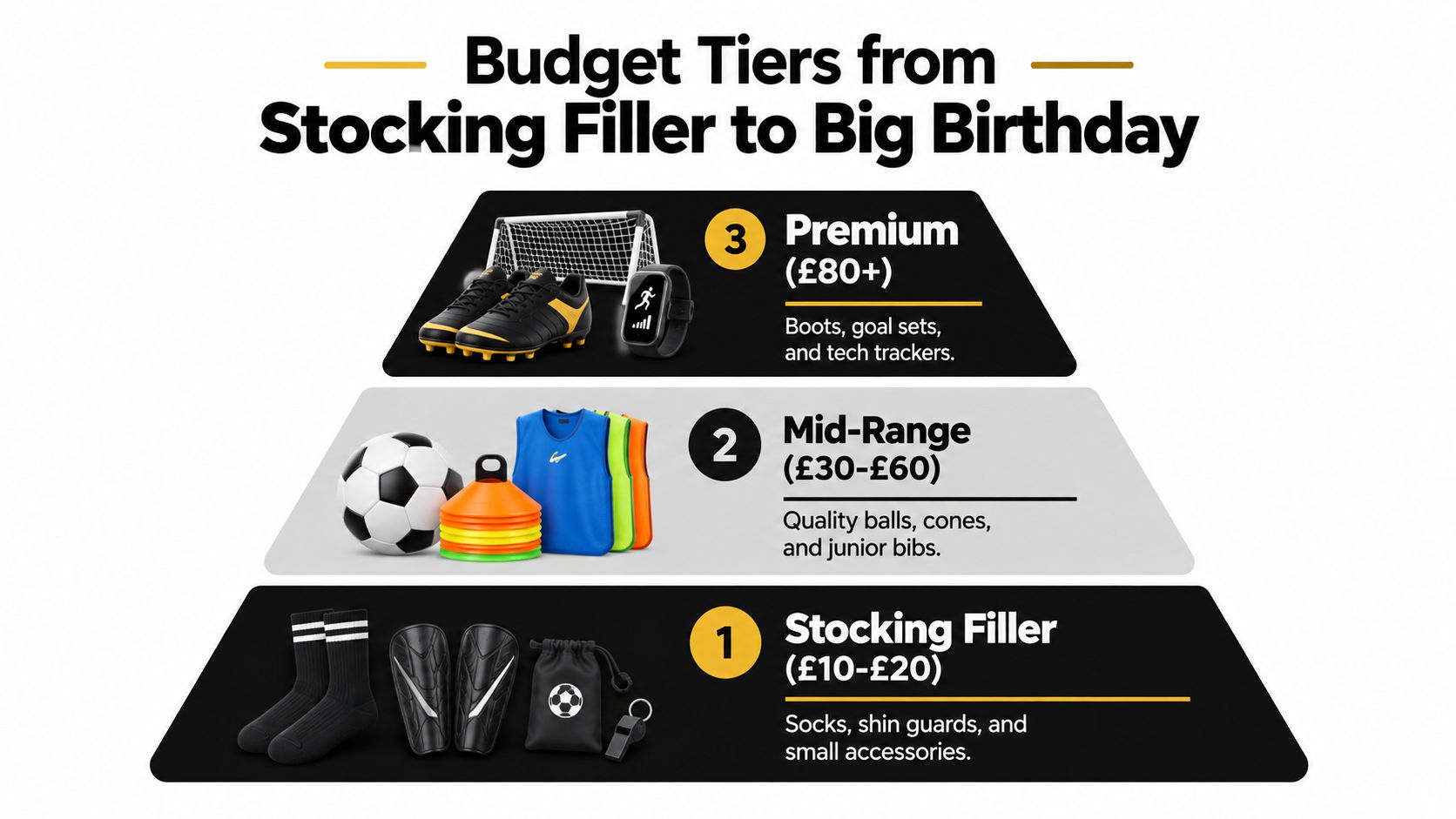
Stocking filler from £10 to £20
This tier suits younger players, casual fans and relatives who don't know the exact boot size. Build a small kit of useful accessories rather than buying a novelty object.
Include shin-pad socks or grip socks, a personalised water bottle and a small skills card set. Check the bottle's seal and the socks' fit, then keep the presentation simple. These gifts work for early players and older children who already own the major equipment.
Mid-range from £40 to £70
This is the strongest all-round tier for an active grassroots player. Choose a correctly sized match ball, quality shin pads, a name-printed training top and a boot bag.
Don't guess the ball size or protective gear. Ask the parent, coach or club first, especially if the recipient plays organised football. A mid-range gift becomes far more valuable when every item can go straight into the next training session.
Premium from £100 upwards
A larger budget needs a clear purpose. Options include signed memorabilia, a fully personalised matchday shirt bundle or a structured home training setup with a rebounder, cones and ladder.
A premium goal or rebounder still needs the safety checks described earlier. If the child lacks a suitable garden or the family travels to matches, memorabilia or a complete matchday bundle may be more useful than bulky equipment.
These categories can help you assemble the right items for each tier, from fan apparel to performance equipment. SoccerWares offers club-inspired clothing, drinkware and football training products such as shin guards, rebounders, goals and indoor training mats.
Split large presents intelligently: Give the main item for a birthday, then add a ball pump, socks or personalised bottle at Christmas rather than buying an oversized bundle all at once.
Storage affects whether the gift survives. Keep cones together, allow wet boots to dry before closing the bag and don't leave a portable goal assembled without checking its anchors. A child will outgrow footwear and shin pads, so ask for the receipt, retain packaging where practical and choose adjustable equipment when the playing situation allows it.
Video demonstrations can help you judge whether a home training product suits the child's space and ability before purchasing.
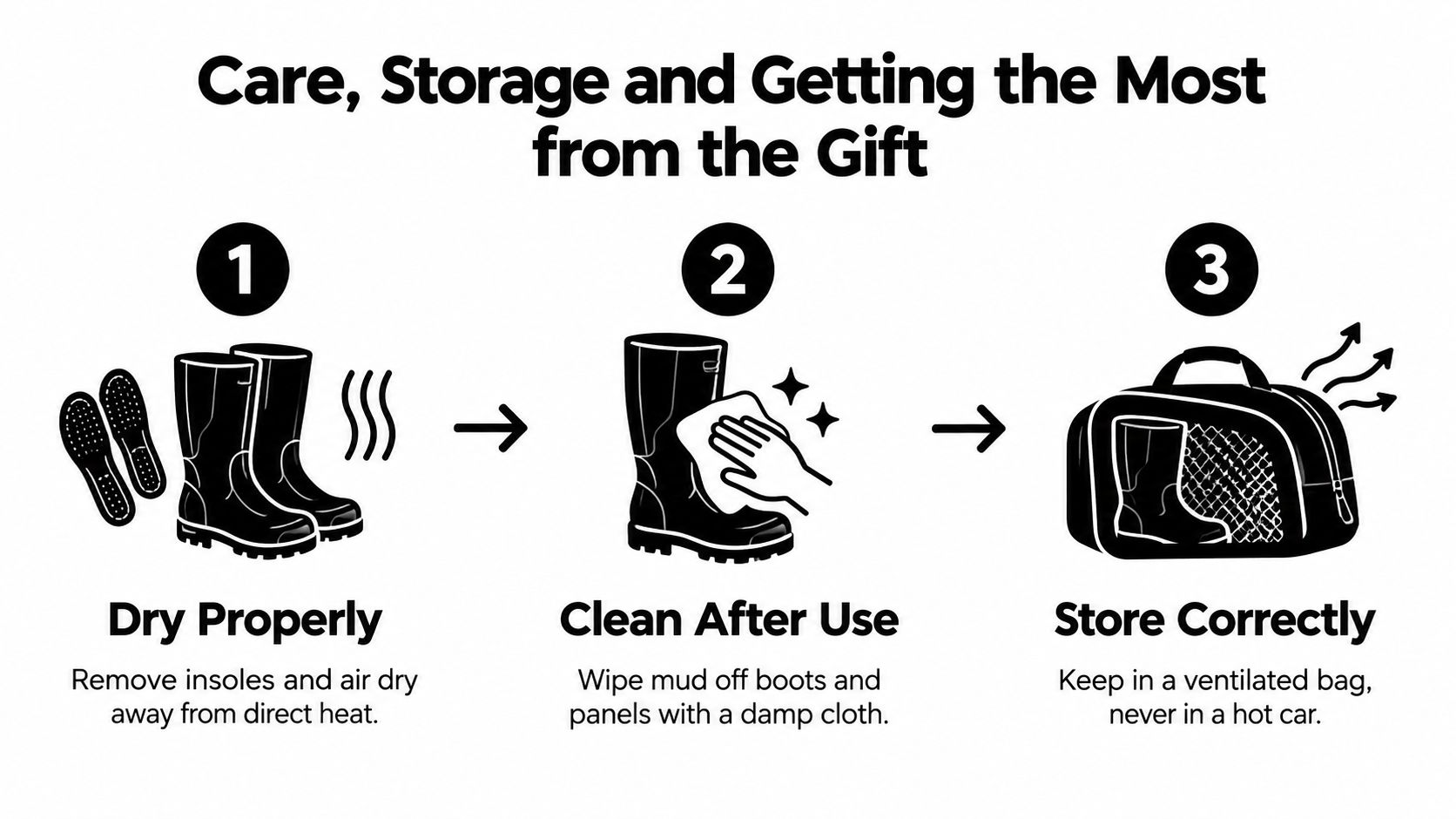
Care, Storage and Getting the Most from the Gift
A football gift loses its value quickly when it lives in a wet garden, gets kicked against brick walls or disappears into a sealed cupboard. Balls need protection from direct sunlight, boots need airflow and shirts need washing that doesn't destroy badges or sponsor prints.
Start with the ball. Check pressure according to the manufacturer's guidance rather than inflating by feel, and use a proper pump with a lubricated needle so you don't damage the valve. Size 3, Size 4 and Size 5 balls may be used differently, but all of them should be stored clean and dry, away from heat and sunlight that can affect panels and the bladder.
Build a five-minute post-session routine
Remove mud from boots while it's still fresh. Wipe leather or synthetic uppers with a damp cloth, take out the insoles and let everything air dry away from direct heat. Radiators and hairdryers can dry materials too aggressively and affect shape or finish.
Replica shirts need the same restraint. Turn printed garments inside out, use the care label as the final authority and avoid harsh washing methods that can fade crests, names and sponsor graphics. Never pack a damp shirt into a closed boot bag.
A ventilated kit bag is better than a plastic sack because it allows moisture and odour to escape. Keep boots separate from clean clothing where possible, and use a boot tree or stuffed newspaper overnight to help wet boots hold their shape. For storage boxes, sharp corners can catch bags and kit, so Foam Corner Protectors are a sensible way to soften vulnerable edges around stored football equipment.
Plan for growth instead of replacing everything at once
Check boot fit every three to four months. Watch for cramped toes, pressure points and a heel that no longer stays secure, then prepare the next half-size for a sensible season change rather than waiting for pain or damage.
Replace or rotate shin pads when the child moves into another age band or when the pad no longer covers the required area. Inspect laces, studs, seams and goal anchors regularly. A small wipe-down after each match and a quick lacing check before training can add more useful life than buying the most expensive product in the first place.
Use this final checklist before you buy:
- Recipient: Do you know whether they're a fan, regular player or both?
- Ball: Is the size right for their playing stage?
- Surface: Are the boots designed for the pitch they use?
- Protection: Do shin pads fit the shin and stay covered by socks?
- Safety: Does a goal have clear conformity information and secure anchoring?
- Personalisation: Will the text remain useful after growth or a club change?
- Aftercare: Does the family have somewhere ventilated and dry to store it?
SoccerWares brings together club-inspired apparel, personalised-style accessories and practical football equipment, so you can choose a present that suits the child's support for a club or their actual training routine. Visit SoccerWares with the child's age, ball size and playing surface in mind, then buy the gift that will still be useful after the birthday photographs are forgotten.