

A referee checks the socks, boots and shin guards before your child's Sunday match. One player has forgotten theirs, another is wearing a tiny pair copied from a Premier League favourite, and a third keeps pulling the sock up because the guard has slipped towards the ankle. The equipment check takes moments, but the choice behind it can affect comfort, confidence and protection for the whole game.
Shin guards in soccer are not just a box-ticking requirement. They sit between the lower leg and flying studs, mistimed tackles and blocked shots. In the UK, the sensible choice balances coverage, fit, certified construction and freedom of movement, rather than chasing the smallest possible design.
Why Shin Protection Matters on the Pitch
A typical match produces countless moments where the shin is exposed. A midfielder stretches for a loose ball, a defender arrives half a second late, or a striker blocks a clearance with the front of the leg. The contact might be a glancing stud catching the guard, or a direct impact landing over the tibia. Either way, the player has little soft tissue between the skin and the bone.
That's why the referee's pre-match check matters. The guard must sit under the sock, remain in place and provide reasonable protection. A player who treats it as an uncomfortable formality often starts adjusting it during play, which creates a distraction at exactly the wrong time.
Practical rule: If a player forgets they're wearing shin guards once the match starts, the fit is probably doing its job.
What the guard actually does
A shin guard doesn't make the leg invulnerable. Its useful role is to spread contact across a wider area and place a protective barrier between the impact and the skin. A hard outer shell can resist direct contact, while padding on the inside helps cushion the leg and reduce movement between the guard and the skin.
The protection has limits. The UK's peer-reviewed evidence on shin guard performance explains that BS EN 13061 was designed to help prevent lacerations, contusions and punctures, not tibia fractures. That distinction matters when a parent compares a slim guard with a larger model. The question isn't whether any guard guarantees safety. It's whether the chosen design gives adequate coverage and impact management for the player's football.
A glancing contact may be uncomfortable but manageable. A full-force tackle is different, particularly when the exposed tibial crest takes the force. Better coverage can protect more of that vulnerable surface, while a secure fit stops the shell sliding away before contact occurs.
Protection supports performance
Players perform more naturally when they trust their equipment. A defender is more likely to block a shot decisively, and a midfielder is less likely to pull out of a challenge because they're worried about a kick to the shin. The guard doesn't improve technique by itself, but it can remove one avoidable source of hesitation.
Parents often look for broad preventing athletic injuries tips when organising training and match routines. Shin protection belongs in that wider conversation, alongside sensible warm-ups, appropriate footwear, recovery and coaching that teaches players to challenge safely. SoccerWares also discusses the wider role of injury prevention equipment, which helps put shin guards into a complete equipment plan rather than treating them as a standalone purchase.
Understanding UK Safety Rules and FA Regulations
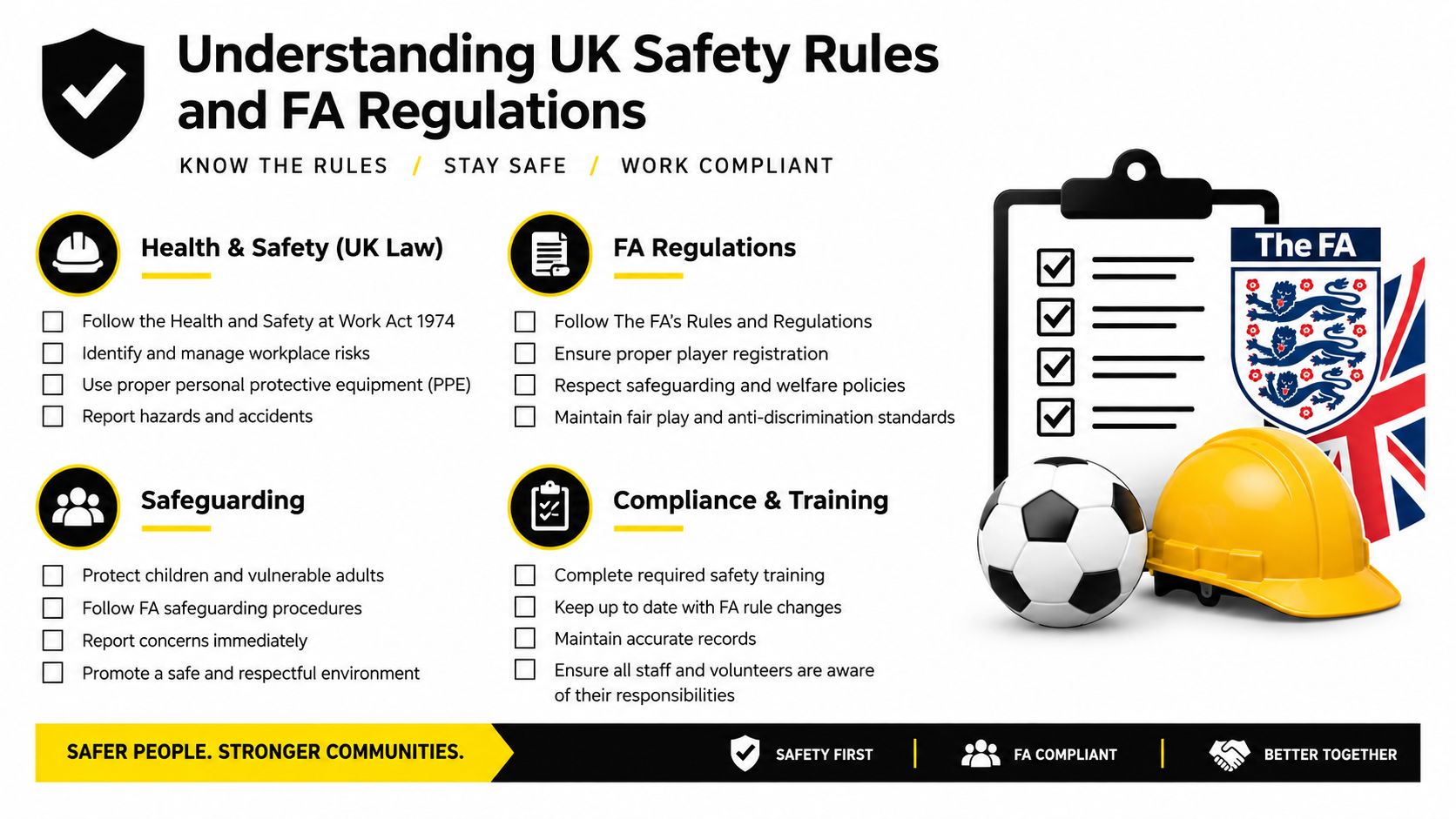
The FA's requirement is clear, but it doesn't prescribe one universal shape or length. Under Law 4, shinguards must be made from a suitable material, be an appropriate size to provide reasonable protection and be covered by the socks. The player is responsible for checking that the size and suitability are correct, as set out in The FA's Law 4 equipment guidance.
That wording explains why two players can wear different designs legally. A compact guard may comply if it is suitable and offers reasonable protection, while a larger ankle model may better suit a younger player or someone involved in frequent challenges. Legality and good judgement overlap, but they aren't identical.
The practical compliance checklist
Use the following checks before buying and again before match day:
- Suitable material: The guard should be designed as protective football equipment, not improvised padding.
- Reasonable coverage: It should protect the main exposed area of the shin without leaving an unnecessarily large section uncovered.
- Secure fit: It shouldn't rotate, collapse or slide down during running.
- Sock coverage: The entire guard must sit beneath the sock during play.
- Certification marking: England Football advises players to look for a CE mark because it indicates that the guards meet minimum standards. Check the product and packaging rather than assuming every retail item has the same certification.
- Match inspection: Referees can require unsuitable equipment to be changed before the player continues.
UK guidance also treats football shin pads as a regulated protective product under the Personal Protective Equipment (Enforcement) Regulations 2018, with shin pads classified as Category II PPE. The UK regulation guidance for football shin pads explains why this is more than ordinary sportswear. CE-marked standards apply where required, while domestic match rules still focus on suitability, protection and sock coverage.
The European standard EN 13061 covers ergonomics, innocuousness, sizing, coverage, performance, cleaning, marking and the information supplied with the product. One test requirement limits transmitted force from three single impacts to the same point to 2.0 kN in the central or lateral test areas, as recorded in the EN 13061 performance requirement. That's a product-testing threshold, not a promise that every match impact will be harmless.
For a visual reminder of the checks, use this short equipment guide:
The Danger of the Micro Pad Trend
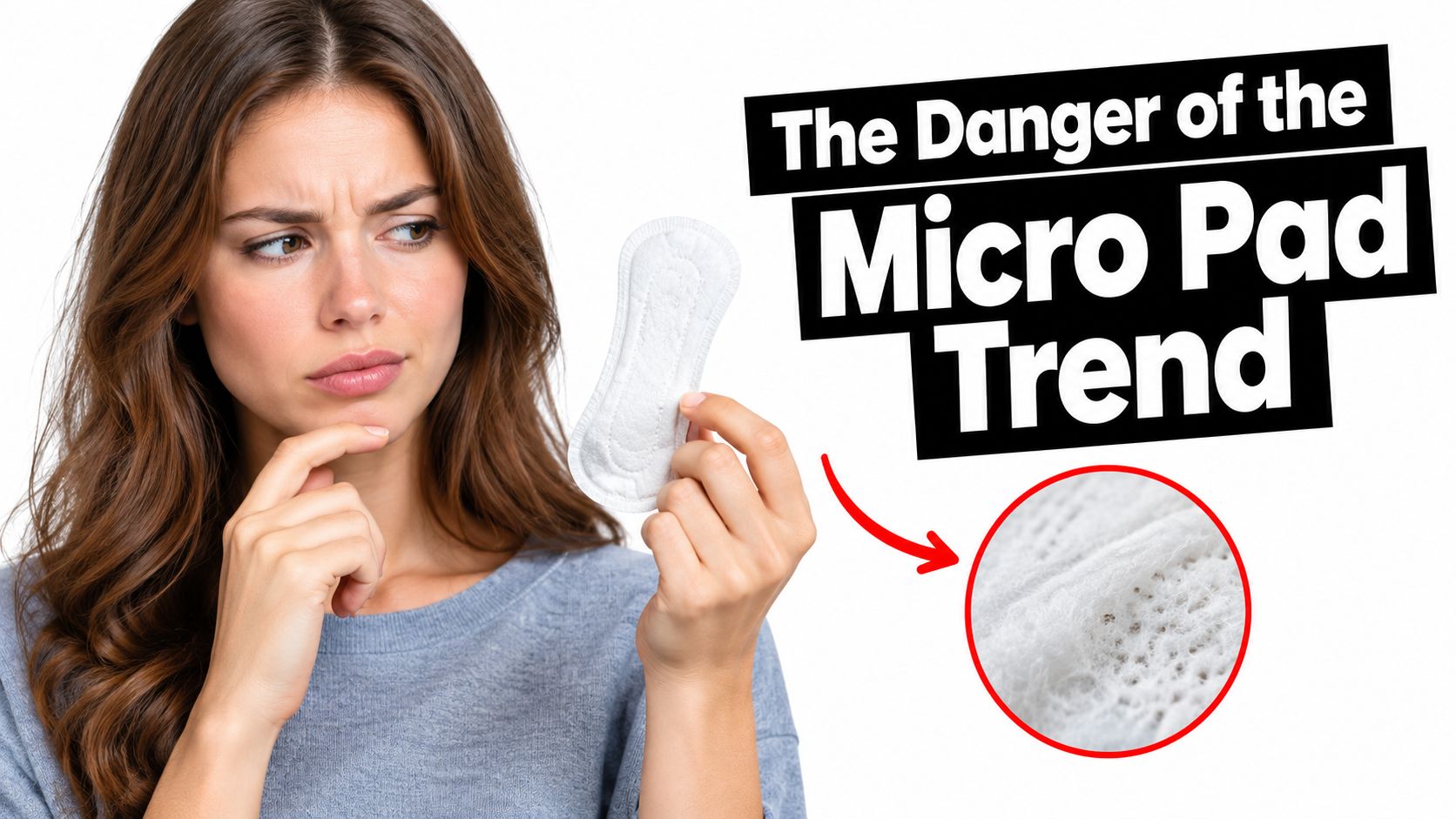
Professional football has made tiny shin guards fashionable. Players at the highest level may choose a low-profile design that feels almost absent under the sock, and young players notice. The problem begins when a youth player or Sunday league adult copies the appearance without considering the different context.
An elite player may have custom equipment advice, regular medical support and a carefully managed training environment. A grassroots player faces ordinary pitches, crowded challenges, inconsistent tackles and long periods of play without specialist supervision. The same tiny pad doesn't offer the same practical margin of protection when it covers less of the shin.
The BBC's reporting on micro pads and grassroots football records warnings from grassroots clubs and the FA that smaller pads may increase injury risk because they cover less of the leg. Some local clubs have responded by banning micro pads. That response reflects a straightforward concern, not a rejection of player comfort. Less coverage means more exposed skin and bone when contact lands outside the shell.
Why the professional example can mislead
The most important distinction is between legal and sensible for this player. UK rules don't set a fixed minimum size, and recent coverage has highlighted that the player carries responsibility for choosing an appropriate guard. That leaves room for a small model to comply while still being a poor choice for a particular match, age group or playing style.
The engineering limitation is also easy to miss. As the evidence discussed earlier makes clear, standard shin guards are intended to help prevent soft-tissue injuries such as lacerations, contusions and punctures, but they aren't designed to guarantee protection from high-energy fractures. Reducing the covered area can only reduce the part of the leg the guard can shield.
A lightweight guard is useful only while it still covers the area most likely to receive contact.
For younger players, coverage should usually take priority over copying an elite aesthetic. A child still learning body position and timing may be involved in awkward challenges more often than a technically mature professional. Parents should also check local club rules, because a guard that passes a general reading of Law 4 may still fail a team's own safety policy.
The kids' football skins guide can help parents think about sleeves and clothing as part of a secure setup, but a sleeve can't compensate for a guard that is too small. Use compression clothing to stabilise suitable protection, not to justify inadequate coverage.
Comparing Materials and Structural Designs
Material affects how a guard feels, flexes and responds to contact. A lightweight plastic shell can keep the equipment unobtrusive, while foam-backed or composite construction can improve cushioning and comfort. Carbon fibre and advanced composites may offer a rigid, low-profile feel, but the label alone doesn't establish whether a product suits a particular player or meets the relevant requirements.
Look for the combination of outer structure, inner padding, coverage and secure fastening. A light guard that moves away from the tibia is less useful than a slightly heavier guard that stays correctly positioned throughout the match.
Three common structural choices
| Design Type | Best For | Key Advantage |
|---|---|---|
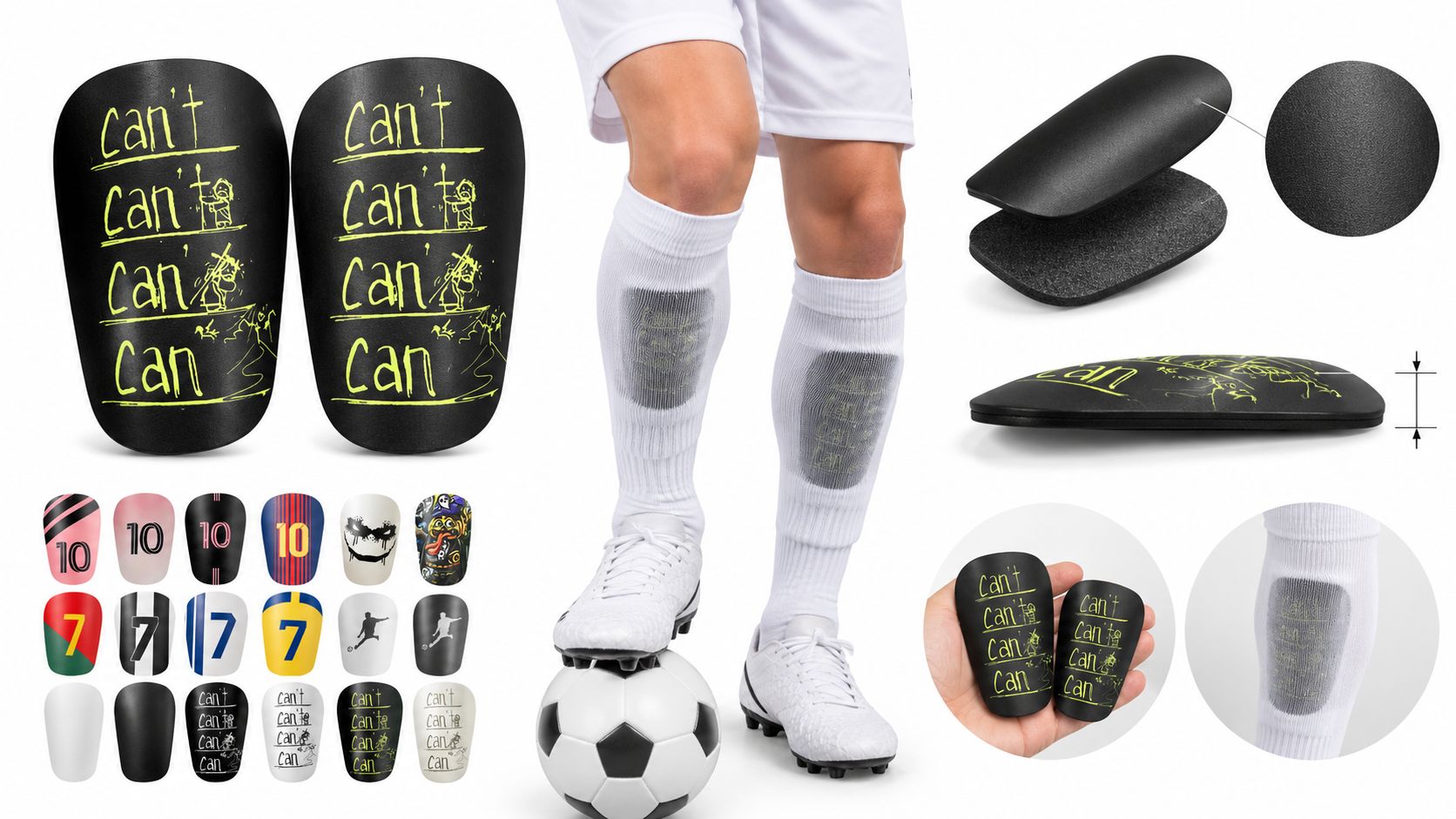
| Slip-in guards | Older players who prioritise a low-profile fit | Lightweight construction and freedom around the ankle |
| Ankle-protecting guards | Younger players and players who want wider coverage | Extra padding around the ankle and a more secure feel |
| Shin-stirrup models | Players who struggle with guards sliding down | Stirrup support helps maintain position during movement |
Slip-in guards are simple and discreet. They sit inside the sock and often work well with a grip sleeve or tape. Their trade-off is that they may offer less ankle coverage and can move if the sock or sleeve is loose.
Ankle-protecting designs add material around the ankle, which can be reassuring for children who are still developing coordination. They're bulkier and may feel restrictive to players accustomed to a minimal setup, but that extra structure can be worthwhile in physical matches.
Stirrup models combine a shin shield with a strap or fabric loop under the foot. They're practical for players who repeatedly stop to pull up a slipping guard. The underside can feel noticeable inside the boot, so test the fit with match footwear before committing.
For a compact youth option, Mini Football Shin Pads – Lightweight Kids & Youth Soccer Guards for Training & Match Protection are listed with a plastic outer and padded lining, an approximate size of 10 × 6 cm, and an approximate pair weight of 20 g. The catalogue describes them for youth, teen and small adult players, but those dimensions also make coverage checking essential. A lightweight design is not automatically suitable just because it fits beneath a sock.
Choose the material and structure together. A younger player who values security may prefer a padded ankle or stirrup design, while an older player with reliable technique may prefer a slip-in guard and sleeve. In every case, inspect the shell for cracks and the padding for compression before use.
How to Measure and Fit Guards Correctly
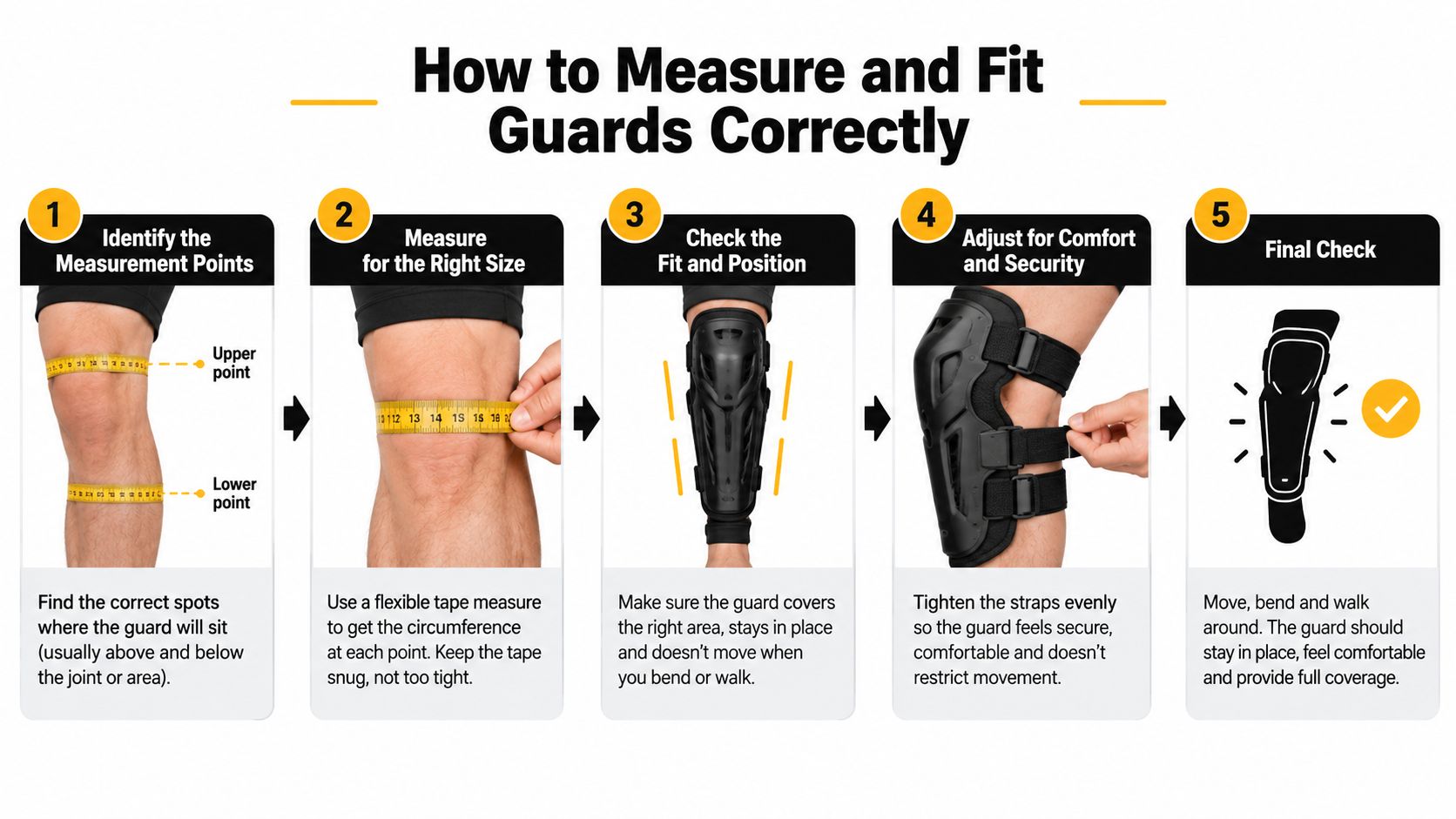
Age labels are useful starting points, but they shouldn't replace a fitting check. Children of the same age can have very different lower-leg lengths, while adults may prefer different coverage depending on position and contact level. Measure the leg, compare the result with the manufacturer's chart and then test the guard under the actual sock and boot.
A reliable fitting process
- Measure while standing. Keep the player relaxed and measure the lower leg according to the product's instructions. Don't choose solely from a broad age category.
- Check the tibial coverage. Place the guard over the front of the shin and make sure it covers the area most likely to receive contact. It should sit comfortably below the knee and above the ankle joint, without digging into either.
- Bend and walk. Ask the player to flex the ankle, jog and perform a few changes of direction. The guard shouldn't pinch, rotate or restrict normal movement.
- Test it with the sock. Pull the match sock fully over the guard. FA rules require the guard to be covered, and the sock should hold the setup without creating painful pressure.
- Secure the lower edge. Use a suitable grip sleeve, guard strap, stirrup or sports tape according to the design. Tape should hold the guard without restricting circulation.
- Repeat after washing. Sleeves can loosen, padding can compress and children can outgrow equipment. Recheck the setup rather than assuming last season's fit still works.
Fit check: After a short run, the guard should still cover the same section of shin. If it has turned sideways or dropped towards the ankle, fix the fastening before play.
The shin guard fitting guide offers further practical help for securing the setup. In grassroots football, grip sleeves are often easier for children than tape because they can pull them on independently and reuse them. Tape gives more control, but a player may apply it too tightly or struggle to adjust it during a wet match.
What a good fit feels like
The guard should feel snug, not painful. It must stay against the leg without leaving a gap where it can move before contact. The top edge shouldn't press into the knee, and the bottom edge shouldn't interfere with ankle movement or boot comfort.
Have the player complete football-specific movements before match day. A short sprint, a stop, a side step and a kick reveal slipping more effectively than standing still in the hallway. If the guard shifts during these movements, change the size, design or fastening method.
Building a Complete Training and Match Setup
Shin guards work best as part of a wider routine. Boots that suit the surface help players control their movement, while a properly fitted guard protects the lower leg during challenges and blocked shots. Neither replaces coaching, warm-up habits or attention to the conditions underfoot.
Training quality also influences safety. Players who improve their first touch and shooting technique can make decisions earlier, arrive under control and avoid some reckless, mistimed contact. Rebounders and target nets provide a controlled way to practise passing, receiving and finishing, while indoor training mats can support ball work when the weather or pitch availability is poor.
For parents, the useful equipment checklist is straightforward:
- Before training: Check that the shell isn't cracked, the padding hasn't flattened and the fastening still holds.
- Before a match: Confirm the guard is the right size, fully covered by the sock and accepted by the club's policy.
- After use: Clean the guard according to the manufacturer's instructions and let it dry properly before storing it.
- As the player grows: Reassess coverage rather than waiting for discomfort or a referee's objection.
- When choosing a smaller design: Ask whether it protects enough of the exposed shin for the player's age, position and level of contact.
SoccerWares offers performance-oriented football equipment alongside club-inspired apparel, including shin guards, rebounders, goals, indoor training mats and tracking products. The important decision isn't the most fashionable shape. It's a guard with suitable coverage, a stable fit and construction that matches the player's actual football.
Good shin guards won't prevent every injury, and they can't replace sensible play. They can, however, reduce avoidable exposure, help players commit to challenges with confidence and keep equipment compliance simple on match day.
SoccerWares brings together shin guards and training essentials such as rebounders, goals and indoor mats for players building a dependable football setup. Visit SoccerWares to compare practical equipment for training and match days, then choose protection that fits securely and covers the shin properly.