

A freezing Tuesday session is rarely defeated by the cold alone. It's the combination of sideways rain, a cutting breeze and ten minutes spent standing beside the pitch before the first drill starts. Put on the wrong jacket and you'll either shiver through the warm-up or overheat as soon as the tempo rises.
That's why football training jackets need to be chosen for the job, not just the forecast. An active player, a substitute on the bench and a coach on the touchline face different problems. The right purchase balances warmth, mobility, moisture control and durability, while still looking suitable for the terraces or the journey home.
The Evolution of Football Training Outerwear
On a wet Saturday morning, the right jacket depends on the person wearing it. A player completing activation drills needs free shoulder movement and low bulk. A substitute or coach standing beside the pitch needs dependable warmth for long periods of inactivity. That practical split has shaped football outerwear as much as changes in fabric or fashion.
A thick jacket can feel reassuring in the changing room, then restrict arm movement during passing and mobility work. A thin shell may suit an active player, yet leave a coach cold after an hour in wind and rain. Modern training jackets developed to serve these different jobs, giving clubs outerwear for movement, travel, changing conditions and presentation.
Umbro's history shows how broadly football clothing expanded. Founded in Manchester in 1924, the company supplied Manchester City's first major football kit in 1934, and by 1966 it was reported that 85 percent of British clubs were wearing Umbro. The same historical account records a 1966 World Cup order reportedly required 5,000 different garments, illustrating how football apparel had grown beyond a simple match uniform in this historical company profile.
That expansion created space for training tops, rain jackets, sweatshirts and tracksuits in everyday club life. A kit manager could assign lighter outerwear to players warming up, warmer layers to substitutes and more protective jackets to staff who spent the session on the touchline. The useful question became whether a garment matched the role, rather than whether it looked suitable on a rail.
From heavy kit to wearable identity
Earlier football clothing often relied on heavyweight cotton or wool. Once saturated, those materials became cumbersome and slow to dry. Historical football-kit research describes the broader move towards lighter synthetic and mixed fabrics, particularly through the late 1970s and 1980s. It also links the early 1970s Admiral Training Suit with sportswear moving from children's kit into off-field fashion, as zip-up jackets and cagoules became associated with British terrace and casual culture in this UK academic study of football fanwear and fashion.
A training jacket could therefore show club loyalty, personal taste and belonging while still serving a practical purpose. That dual role explains why football outerwear remains useful on the journey to a match, around a damp touchline and on the terraces.
Practical rule: A jacket's football history explains its style, but its construction determines whether it earns a place in your kit bag.
The modern jacket works as a microclimate system. It manages warmth around the torso, controls moisture, limits exposure to wind and rain, and leaves the shoulders free for sprinting, passing and stretching. The best choice for an active player is usually lighter and less restrictive. Static staff may reasonably accept extra weight for greater insulation and weather protection. That is the genuine evolution: outerwear now serves distinct football roles without abandoning the identity that made it part of the game.
Key Performance Features for Changeable Weather
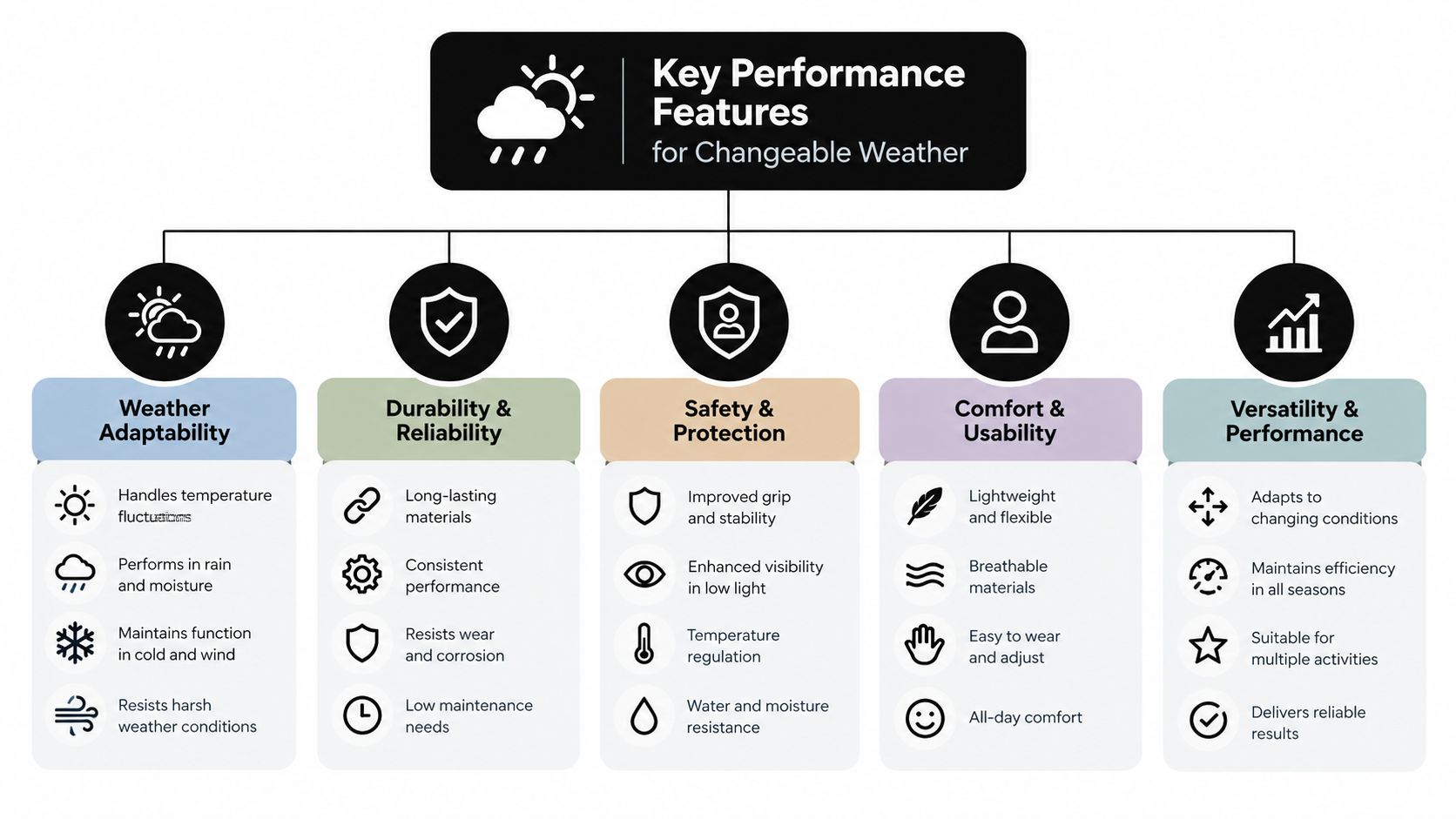
A football jacket should answer three questions before you consider colour or branding. Will it shed rain, can it release heat and does it move sweat away from the skin? Water repellency, breathability and moisture-wicking work together. One feature can't compensate for the absence of the others.
Nike UK describes Therma-FIT as insulation with low weight, while its Dri-FIT and Therma-FIT clothing is designed to move moisture away from the skin and dry quickly in its women's Therma-FIT jacket range. That combination suits football because players alternate between high-output movement and short recovery periods. A jacket that holds sweat against the body can leave the wearer feeling colder once the drill stops.
What the fabric claims mean
Water-repellent usually means the outer surface encourages light rain to bead and run off. It's useful for showers and short exposure, but it shouldn't be treated as a promise of complete storm protection. A water-repellent jacket can be the right choice for an active player who needs low weight and ventilation, particularly when the rain is intermittent.
Waterproof protection is intended for more sustained or heavier rain. Look for a construction that protects vulnerable areas such as the zip, cuffs, collar and seams. Macron UK separates showerproof, waterproof and windproof descriptions across its football jacket range, with some designs intended for bench use and others adding hoods and elasticated cuffs for harder rain in its UK football jacket range.
Windproof construction reduces the chilling effect of exposed pitches. It doesn't automatically mean a jacket will keep out prolonged rain, so buyers should avoid treating the terms as interchangeable.
Breathability is just as important as weather resistance. Adidas UK describes football jackets using lightweight, stretchy, sweat-wicking fabrics and breathable mesh panels, while Under Armour UK highlights water-repellent treatment, airflow through underarm and back vents, and moisture-wicking materials in lighter jackets in its UK jacket information. These details matter during repeated accelerations, recovery periods and technical drills.
Small details that decide comfort
Check for elasticated cuffs, a secure collar and a zip that can be operated with cold hands. An articulated or relaxed shoulder fit is valuable when the jacket sits over a base layer, because a tight armhole can limit shoulder rotation. Underarm vents and mesh sections help release heat without forcing the player to remove the whole garment.
For a practical look at how a rain layer fits into a football training wardrobe, compare this men's Nike rain jacket guide. It's also sensible to carry a small source of local warmth for long, exposed sessions. Some players and staff may find warmers for neck and back relief useful when cold settles around areas that a jacket doesn't fully cover.
The right specification depends on activity. A breathable, water-repellent shell usually works better for a moving player than a bulky insulated coat. A static coach may need the opposite priority, which is why choosing by role is more reliable than choosing by the word “winter”.
Matching Jacket Types to Pitch-Side Roles
The same jacket can feel perfect during a brisk warm-up and completely inadequate on the bench. Players generate heat through movement, while coaches, substitutes and volunteers often spend long periods exposed to wind without enough activity to stay warm. A useful buying decision starts with the person wearing the garment.
| Role | Primary Need | Ideal Jacket Type | Key Features |
|---|---|---|---|
| Active player | Heat release and unrestricted movement | Lightweight training shell | Moisture-wicking fabric, breathable panels, stretch, full zip |
| Substitute | Protection during warm-up and rest periods | Lightweight insulated or all-weather jacket | Thermal lining, water resistance, flexible fit, secure cuffs |
| Coach | Consistent warmth while mostly static | Insulated weather-resistant jacket | Strong wind protection, longer coverage, hood or high collar |
| Goalkeeper | Mobility with protection during drills | Stretch shell or light insulated jacket | Articulated shoulders, flexible sleeves, breathable construction |
| Club volunteer | Rain protection and practical storage | Waterproof sideline jacket | Hood, sealed or protected zip, durable outer fabric, useful pockets |
| Travel and presentation | Smart appearance with moderate protection | Slim full-zip training jacket | Clean cut, low bulk, easy layering, resilient fabric |
Active players need less bulk than they think
A player completing dynamic warm-ups doesn't need the heaviest garment available. Too much insulation can cause overheating, encourage repeated removal and leave the player carrying a damp jacket during the session. A lightweight full-zip jacket with stretch and sweat management is usually more useful, especially when the player can add a mid-layer before the session begins.
Goalkeepers need particular attention paid to shoulder and elbow movement. A rigid shell may protect against wind but interfere with diving, reaching and handling. Test the jacket with the arms raised, rotated and extended forward, not just while standing upright.
Static roles need protection first
A coach on the touchline has a different problem. Even a breathable shell won't create enough warmth if the wearer remains still in wind and rain. Insulation, a high collar, adjustable cuffs and coverage below the waist become more important than minimal weight.
Substitutes sit between the two categories. They warm up hard, then cool down quickly while waiting to enter. Their jacket needs to manage sweat during movement and retain warmth during inactivity. A lightly insulated, breathable all-weather layer is often a better compromise than either a flimsy shell or an extremely heavy coat.
A jacket for active training should disappear while you move. A jacket for static duty should remain reliable when the movement stops.
Buy for the real duty, not the broadest label
A club that buys one identical jacket for every role may simplify ordering, but it can create poor comfort and unnecessary wear. The coach's insulated layer may be too warm for players. The player's lightweight shell may leave a substitute cold after a wet warm-up.
Use this football training gear guide to think about the jacket as part of a wider kit rather than an isolated purchase. The best selection often involves a small range of jacket weights, with each garment assigned to a clear job.
For grassroots budgets, prioritise the roles that face the harshest exposure. A club may need dependable waterproof sideline protection for staff and volunteers, while active players can share a more flexible training specification. That approach makes the kit more useful and reduces the temptation to solve every weather problem with one oversized coat.
Mastering the Winter Layering System
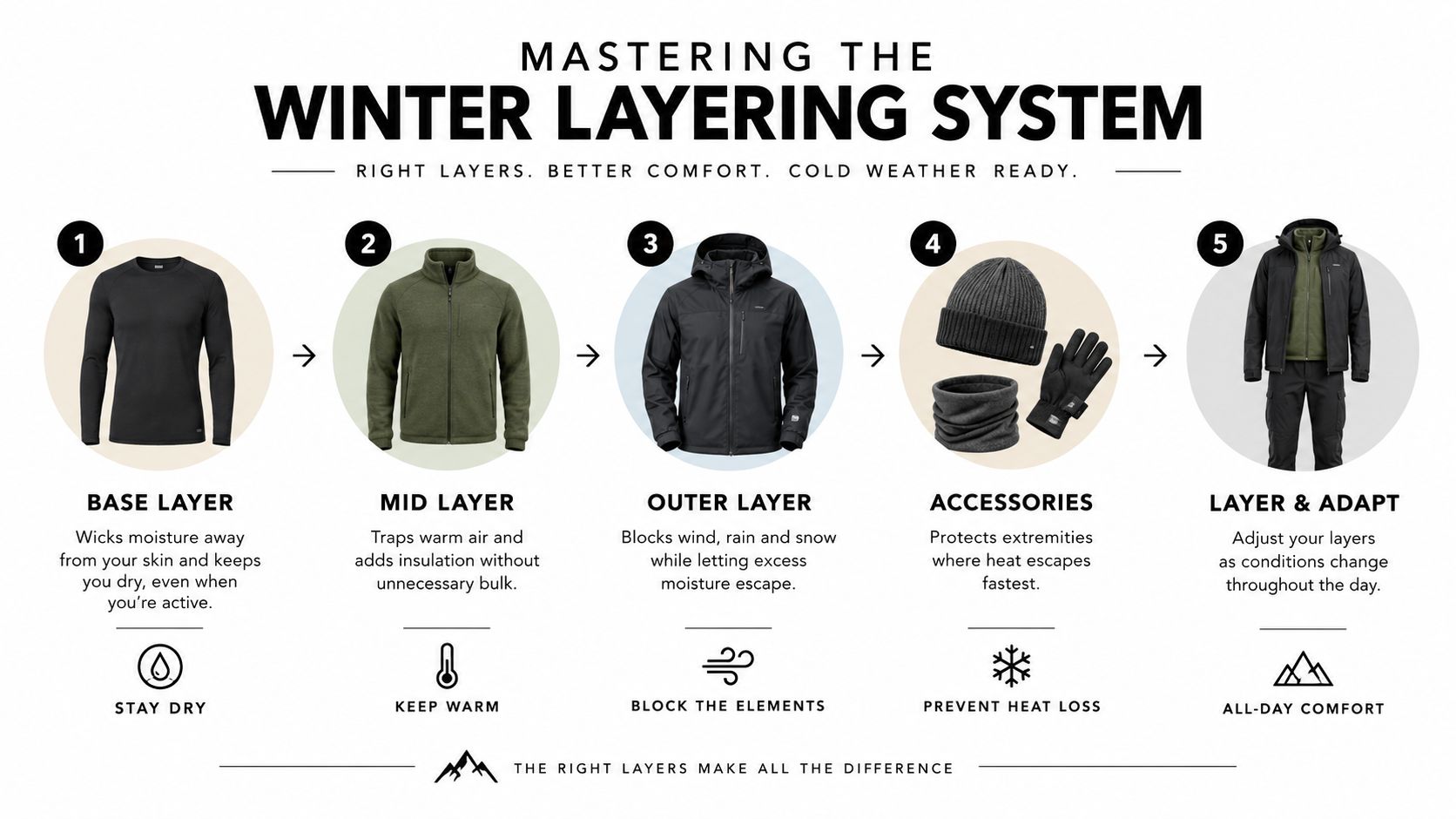
A single jacket rarely performs every winter job well. The more dependable approach is a three-layer system, with each layer handling a separate task. The base layer manages moisture, the mid-layer adds insulation and the outer layer blocks wind or rain.
The North Face UK recommends this structure for winter training, combining a moisture-wicking base layer, a mid-layer and an outer layer selected according to conditions, from wind-resistant through to waterproof in its UK winter training layering guide. This modular setup lets a player adjust clothing before, during and after a session.
Start with the layer touching your skin
Cotton is a common mistake. It absorbs sweat and dries slowly, so the body can feel colder during a stoppage or after the player leaves the pitch. REP Fitness UK advises avoiding cotton during cold-weather exercise and recommends breathable, moisture-wicking clothing with a lightweight base, insulating middle layer and wind- or water-resistant outer layer in its winter workout apparel guidance.
A synthetic or suitable technical base layer should sit close to the body without compressing movement. For younger players, a well-fitting performance layer can be easier to manage than several loose shirts that bunch beneath the jacket. This kids' football skins guide is relevant when building a practical cold-weather kit for children.
Add insulation only when the session needs it
The mid-layer traps warm air. A thin fleece or technical top may be enough for active players, while a thicker layer helps a coach or substitute who expects long inactive periods. Don't add insulation automatically. If the player is already sweating heavily during the first drills, the system is too warm or the fabric is not releasing moisture effectively.
The outer jacket then deals with exposure. Choose a light shell for wind and showers, or a more protective waterproof layer for prolonged rain. The advantage is control. A player can remove the outer shell during intense work and put it back on during a tactical pause without changing the whole outfit.
Fit the jacket around movement
Try the jacket over the base and mid-layer you'll typically wear. Zip it fully, raise both arms, reach across the body and rotate the shoulders as if preparing for a throw-in. If the hem rides up or the upper back pulls tight, the cut won't work in training.
Look for these fit checks:
- Shoulder room: The seams shouldn't restrict arm rotation.
- Sleeve length: Cuffs should cover the wrist without falling over the hands.
- Torso space: There should be room for a mid-layer without ballooning around the waist.
- Hem stability: The jacket should stay in place while jogging, bending and stretching.
- Vent access: Zips and vents should be reachable without removing gloves.
A good system keeps the torso warm while allowing heat to escape when intensity rises. That balance is more reliable than relying on one heavy garment, particularly during stop-start drills and sessions where the weather changes within the same hour.
Evaluating Durability and Sustainable Materials
A recycled-material label can be a positive sign, but it doesn't answer the most important grassroots question: how long will the jacket remain useful? A garment that uses lower-impact materials but loses its shape, leaks through the seams or fails at the zip after limited use may offer poor practical value.
Nike says some of its jackets contain at least 50 percent recycled content in its UK bomber jacket range. That information helps buyers understand material composition, but it doesn't by itself reveal how the jacket will cope with repeated rain, muddy changing rooms, washing or heavy kit-bag use. Sustainability needs to be considered alongside construction and service life.
Inspect the parts that take punishment
Start with the zip. It should run smoothly without catching, and the puller should be usable with cold or gloved fingers. Examine the stitching around the shoulders, cuffs, pockets and underarms, because those areas receive repeated stress when players swing their arms or carry equipment.
Then consider the outer finish. Water-repellent treatments can wear down through washing and abrasion, so follow the care instructions and avoid treating a technical jacket like an ordinary sweatshirt. Do not assume a jacket remains showerproof forever just because it was sold with that description.
A useful inspection list includes:
- Seams: Look for clean, even stitching around high-stress joins.
- Cuffs: Elastic or adjustable cuffs should recover their shape after use.
- Pocket construction: Pocket openings need to resist stretching and snagging.
- Lining: Mesh or thermal linings should sit flat rather than twist inside the sleeves.
- Care label: Check whether the garment needs special washing or reproofing.
Sustainability is a lifecycle decision, not a badge. The jacket that gets worn, washed and used for several seasons can be the more responsible purchase.
Weight also deserves context. A slightly heavier jacket may survive regular sideline use better, while a lightweight player shell may be more appropriate for high-output training but less suitable for constant bench duty. Parents and club managers should match construction to exposure rather than comparing garments by material label alone.
For a broader standard to apply when assessing sports clothing, review these apparel quality standards. Care matters after purchase as well. Empty the pockets, close zips before washing, use the recommended cycle and let the jacket dry properly before putting it back in the kit bag.
The sensible comparison is not recycled versus non-recycled in isolation. Compare expected service life, repairability, weather performance, comfort and frequency of use. A technically appropriate jacket that remains in regular rotation is more valuable than a supposedly greener option that players leave at home because it doesn't work in real conditions.
Styling for the Terraces and the Touchline
Football outerwear has always crossed the boundary between sport and daily life. A training jacket that works on a wet touchline can also work on the walk to the ground, in the stands or at the pub, provided the fit is clean and the layers underneath aren't excessive.
For a practical match-day outfit, pair a slim full-zip jacket with a plain technical top, straight-leg trousers and durable trainers. Keep the colour palette focused. A club-inspired jacket already makes a strong statement, so neutral trousers and a simple base layer prevent the outfit from looking like a complete team uniform.
Build around the jacket's purpose
Active players should favour a close but mobile fit. The jacket can sit over a base layer and come off when the session becomes intense. Coaches and supporters who spend longer outdoors should allow more room for a fleece or sweatshirt, particularly around the shoulders and upper arms.
For terrace wear, pockets matter more than many buyers expect. A secure zipped pocket protects keys and a phone, while a high collar or hood helps when the wind changes. Avoid overly narrow sleeves if you'll wear the jacket over a hoodie, but don't size up so far that the hem catches on seats or bags.

The strongest football wardrobes combine one dependable technical layer with casual pieces that can handle everyday use. That might mean wearing the same weather-resistant jacket over training gear on Tuesday and over a plain sweatshirt for a Saturday fixture. Club colour, subtle branding and a well-proportioned cut create a more versatile result than excessive graphics or unnecessary bulk.
SoccerWares offers club-inspired apparel, drinkware and football training essentials, including fan clothing and performance equipment for players and supporters. That makes it a practical place to browse when you want your outerwear and wider football kit to work together.
Choose your jacket by role, weather and layering plan before you choose the colour. Visit SoccerWares to browse football-inspired apparel and training essentials for the pitch, the touchline and match day.